If you need money and have jewelry, there are two very different ways to turn one into the other. You can sell the piece, which is final, or you can pawn it, which is a loan secured by the piece. People often use the words loosely, so it is worth being clear about which you are doing before you hand anything over.
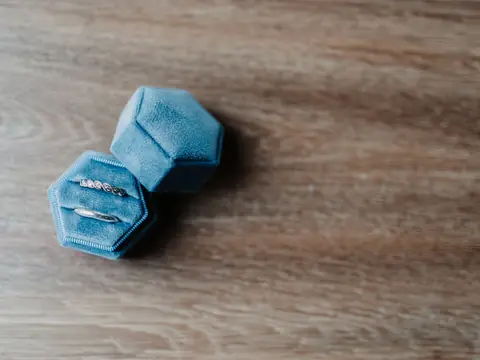
What pawning is
Pawning is borrowing. You leave a piece with a pawnbroker as security, and the pawnbroker lends you money against it. If you repay the loan and its charges within the agreed time, you get the piece back. If you do not, you can lose the piece, on the terms of the loan.
In New York City, lending money on pledged goods needs a Pawnbroker licence from the Department of Consumer and Worker Protection (DCWP). DCWP’s checklist cites New York General Business Law sections 40 and 52 for that licence. It is a separate licence from the one for buying used goods.

What selling is
Selling is final. A buyer pays you for the piece, and it becomes theirs. In New York City, a business that buys used jewelry needs a DCWP Secondhand Dealer General licence (NYC Admin. Code 20-265), must weigh precious metal on a State-approved scale and tell you the troy weight (6 RCNY 3-81), and must check your ID and record the sale. Used items cannot be resold within 15 days of purchase.
Pawn or sell: side by side
| Question | Pawn | Sell |
|---|---|---|
| What is it? | A loan, secured by your piece | A sale of your piece |
| Do you keep ownership? | Yes, if you repay on time | No |
| Do you owe anything later? | The loan and its charges, to get the piece back | Nothing |
| What if you cannot repay? | You can lose the piece, under the loan’s terms | Not applicable |
| NYC licence | DCWP Pawnbroker licence | DCWP Secondhand Dealer General licence |
When pawning can make sense
Pawning is a way to borrow against a piece you want to keep, such as a family ring, when you expect to be able to repay. You get the piece back if you do. Before you pawn, ask for the loan amount, every charge, the repayment date and what happens if you are late, all in writing, and add up what it will cost to get the piece back.

When selling makes more sense
If you do not intend to buy the piece back, a sale is simpler. There is no loan to repay, no charges building up, and no deadline. A sale also lets you shop around: you can take the piece to several buyers, compare written offers, and accept the best one.
Know which one you are being offered
A business may both lend and buy. If you came to sell and are offered a loan, or a “hold”, ask plainly whether the money is a purchase price or a loan. In New York City, the two need different DCWP licences.
Is it better to pawn or sell diamonds?
The same logic applies to diamonds and diamond jewelry. Pawn if you are borrowing against a piece you plan to reclaim. Sell if you are done with it. With a diamond, whichever you choose, bring any grading report: GIA offers a Report Check on its website where a report number can be looked up. The guide on where to sell diamond jewelry explains how diamonds are valued.
Pawn shop vs gold buyer for gold jewelry
For plain gold, a gold buyer works from the metal: weight in troy ounces x the gold share (karat divided by 24) x the day’s spot price, less a margin. Knowing that figure before you go, whether to a pawnbroker or a buyer, tells you what the gold is worth. The page on how to sell gold jewelry walks through the arithmetic.
If you decide to sell
Sort your pieces, work out the metal value, gather any papers and photo ID, and compare written offers from more than one buyer. The guide to jewelry buyers explains the kinds of buyers and how to check one before you walk in.
Best Place To Sell Jewelry is an independent referral service, not a buyer, pawnshop or dealer. When you call or send the form, we pass your request to an independent buyer in New York, who makes any offer, and you never have to sell.
Questions people ask
Is it better to pawn or sell jewelry?
Pawn if you want to borrow against a piece you plan to get back and can repay. Sell if you are done with the piece. A sale is final and leaves nothing to repay.
Do you get more money pawning or selling jewelry?
They are not the same kind of money. A pawn is a loan you repay with charges; a sale is a price you keep. Compare a loan’s full cost of repayment with the written offers you get for a sale.
Can I sell jewelry to a pawnshop?
A pawnshop may also buy. In New York City, buying used goods needs a Secondhand Dealer licence, separate from the Pawnbroker licence, so ask which one the business holds for what you are doing.
Ask about a piece